(NCPC) RECENTLY CONVENED A STAKEHOLDER CONSULTATION TO HELP DEFINE THE REQUIREMENTS FOR THE PROPOSED SOFTWARE APPLICATION.
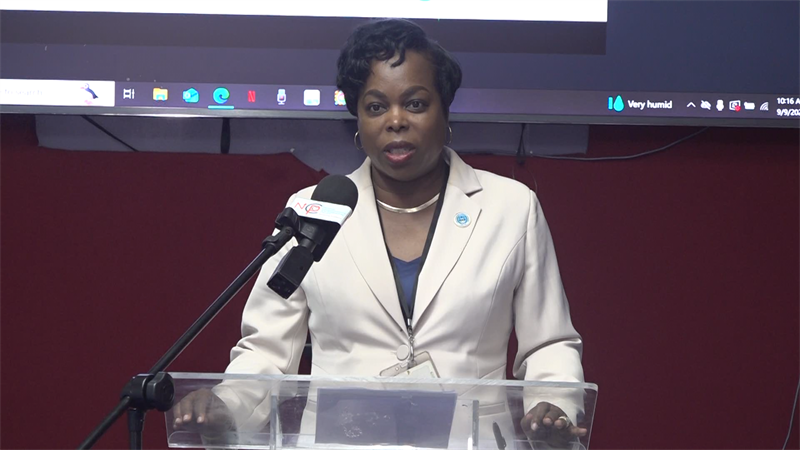 The administration of insolvency cases in Saint Lucia could become more efficient, transparent and coordinated through the use of software technology, as the country moves toward the development of an integrated digital system to support its insolvency framework.
The National Competitiveness and Productivity Council (NCPC) recently convened a stakeholder consultation to help define the requirements for the proposed software application. The consultation brought together representatives from the Office of the Supervisor of Bankruptcy and Insolvency, the courts, trustees, creditors and the software development team.
Director of the NCPC, Lisa Florent Montoute, said the involvement of all stakeholders is critical because insolvency is an interconnected legal process requiring effective coordination among the various parties.
“The quality of the system and its ultimate design will therefore depend on whether it manages these handoffs accurately, quickly, and transparently. So, our purpose today is not simply to list the desirable technology features. It is to translate the Insolvency Act and its accompanying regulations into operational requirements.”
The Supervisor for Bankruptcy and Insolvency, Nathalie Desauzay, noted that the Insolvency Act contains more than 400 sections and establishes processes covering trustee licensing, bankruptcy, assignments, general proposals, consumer proposals and court proceedings.
She emphasized that the proposed system must maintain a continuous record of insolvency cases while respecting the distinct responsibilities of the Supervisor, the courts and trustees.
“The system must preserve one continuous case history across those transitions. So, the software must also recognize the difference between legal authority and administrative support. The Supervisor must retain statutory discretion. The court must retain judicial independence. Trustees must remain responsible for professional assessment and estate administration. Technology should support decisions, calculate deadlines, and validate completeness.”
Desauzay stressed that technology is intended to support, rather than replace, the responsibilities of the Supervisor, the courts and trustees.
Perle Alcindor, Consultant for the Development of the Software, is responsible for translating the legal and operational requirements into specifications for developers. She explained that the process will also examine existing workflows and systems to identify opportunities for integration and improvement.
“It means, therefore, developing and defining the system might cause us to re-engineer some of our workflows and our system. We also have to look at existing systems that this system has to connect to, so we have to look at interoperability functions and a whole set of things.”
Among the features being considered is a digital dashboard that would allow authorized users to view and track active insolvency cases and monitor their progress.
The proposed system offers an opportunity to use technology to strengthen the insolvency framework, improve coordination among institutions and provide stakeholders with more timely, transparent and accessible information throughout the insolvency process.
The stakeholder consultation forms part of the ongoing work to ensure that the proposed system responds to the legal, operational and practical requirements of the country's insolvency framework.
END